
How to get gigs as a musician
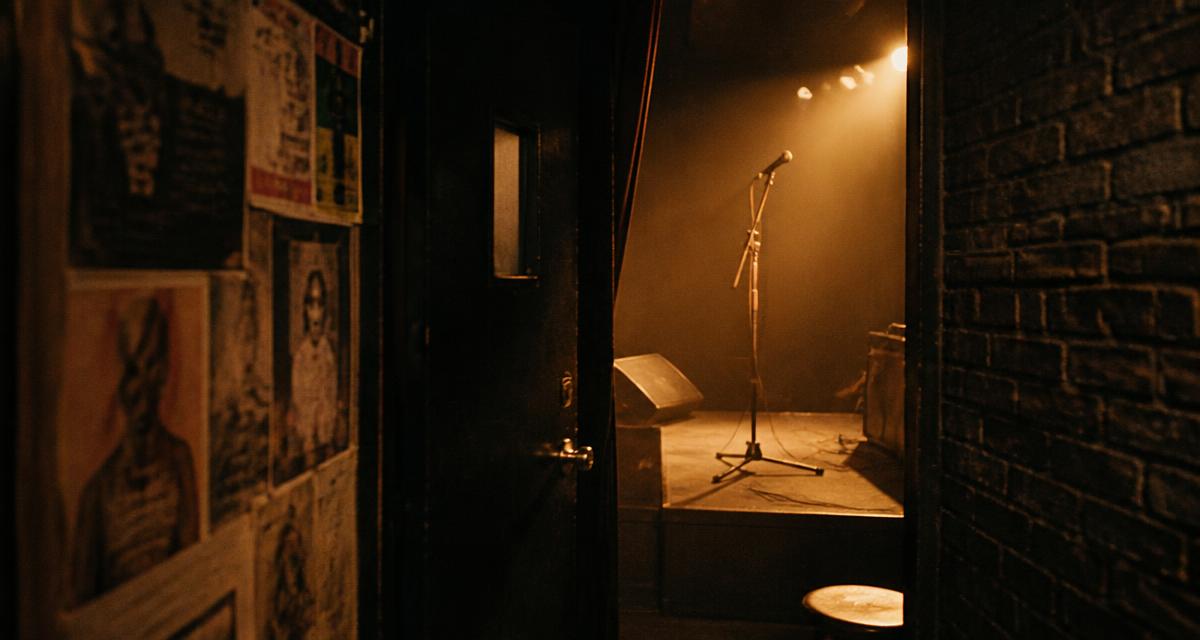
I first wrote this after years of standing on the other side of the bar, reading pitches from acts who deserved better advice than they were getting. It has been read by thousands of artists since. This is the same advice, brought up to date for the way bookings happen now — wherever you are playing.
Written by
Michael Kiernan
Thirty years in pubs and music venues, managing many of them and booking countless acts. Twenty years running a website showcasing independent artists. Founder of World Indie Chart.
Start with the venue's arithmetic
A pub or venue manager is running twelve things at once, and you are one of them. Booking you is not a judgement on your songs — it is a judgement on a Friday night's takings. For every fee that leaves the till, the room needs several times that across the bar just to cover staff, licence, heat, light and the risk of a quiet night.
If you are an original act without a local following, you are, on paper, a high-risk booking. That is not cynicism, it is a spreadsheet. Everything below is about moving yourself off the risk side of it.
Step 1
Build locally before you go national
Two honest questions. Do you have a loyal following in your own town? And how many of those people would travel to see you play?
If the answers are thin, that is the work. Play consistently in one or two rooms, learn the audience, and make the night belong to them as much as to you. A reliable local draw is the only currency that travels — it is what makes a venue in the next town take your call.
When you are ready to move, swap dates. Bring an act from another town into your room and build their audience; they do the same for you. That is how touring has always genuinely worked, and it still does.
Step 2
Approach venues the right way
Go in person where you can. Ask for the manager or whoever handles bookings, and be ready to make the pitch in under a minute. Do not leave a CD or a folder with bar staff — it will be behind the optics by closing.
Have one link ready that opens instantly on a phone and shows: a short bio, where you are from, one great track, one live video, and how to contact you. Play the best thirty seconds, show the video, stop talking. Do not hand over twelve links and ask someone to assemble the picture themselves — that is the single most common reason a pitch goes nowhere.
Step 3
Be professional on the night
Managers notice the small things. Turn up on time, know your own gear, and keep the soundcheck to ten minutes. A long, screeching check clears out the early drinkers, and the early drinkers are the reason you are being paid.
On stage, talk to the room. Tell them when you are starting, thank them for being there, ask them to stay for the second set. Off stage, do not pack up and vanish. Stay, talk to people, and take email addresses. "Find us on Facebook" is forgotten by the car park; a conversation is not.
Step 4
Know your worth — and be realistic
If the night was quiet, do not squeeze the room. Ask yourself honestly whether you promoted it, whether the set was strong, and whether you connected with the people who did come.
Offering to adjust a fee after a poor turnout, or coming back with an idea to fix it, buys you more future dates than holding the line ever will. Venues remember the acts who treated the night as a shared problem.
Step 5
Use the tools properly
Put every date where it can be found, keep the email list you are gathering at gigs, and give people a reason to open it. Behind the scenes, a rehearsal clip, the story behind a song — the point is to be present between gigs, not only when you are selling one.
Then collect the evidence. If you can show a manager an engaged audience rather than describe one, you have already separated yourself from most of the pitches they read that week.
Step 6
Launching a release? Earn the room first
A launch is an event, not another Thursday. Before you book one, be sure you have the local and regional following to fill it and the buzz to make it feel like something. Plan it months out, use every gig in between to build toward it, and make sure sales are registered so they count where they should.
What has changed since I first wrote this
The arithmetic has not moved. What has moved is the context an artist can show. World Indie followers show that people have chosen to follow that artist on the platform. Updates and support can show audience development and ongoing activity. These are useful signals, but they do not prove ticket sales, gig attendance or venue draw.
That is the whole reason this platform exists. An artist page here is a live press kit that stays true after you send it. For eligible Career or Lifetime artists, a chart position can be attached to it. Together, the page and chart give a venue current context about the artist's work and development. Evidence of likely turnout must still come from relevant ticket sales, attendance and the artist's live history.
Common questions
- How do you get gigs as an original act?
- Build a local following first, approach the venue in person and ask for whoever handles bookings, show one strong track and one live video on the spot, and be able to say honestly how many people you can bring on a given night. Venues book draw and reliability before they book taste.
- What do venues pay original acts?
- It varies enormously by room, night, city and country. What does not vary is the arithmetic: for every fee a venue pays out it needs several times that across the bar to stand still. If you cannot show where that money comes from, you are asking the venue to carry the risk alone.
- Do I need an EPK to book a gig?
- You need something a busy manager can read in ninety seconds on a phone: who you are, where you are from, what you sound like, live video, and how to contact you. A twelve-link PDF is worse than a single page that loads and plays.
- Should I tour before I have a local following?
- No. A tour without a base is a series of expensive introductions. Build one room that is reliably busy, then swap dates with acts in other towns who have done the same. That is how touring has always actually worked.
An earlier version of this article was first published on MusiBiz, where it has been read and argued over by artists, promoters and venue owners for years. The principles apply everywhere; the examples were originally Irish.